
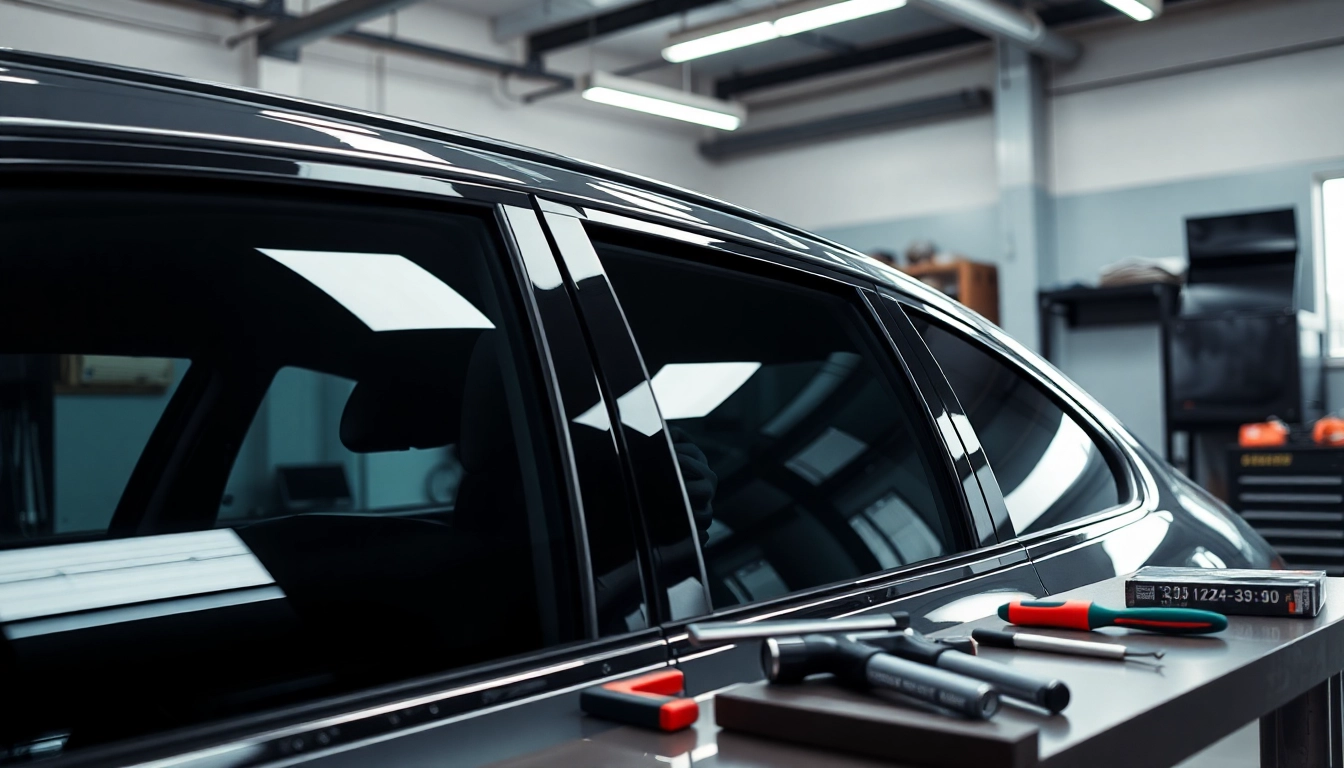
Understanding Window Tint Near Me
When looking for window tint near me, it’s essential to understand what window tinting entails and how it can enhance your vehicle’s aesthetics, comfort, and safety. Window tint is a thin film that is applied to the glass of your car, home, or office windows to achieve various purposes including UV protection, heat reduction, and privacy. Whether you are considering this for your vehicle or your living space, understanding the fundamentals of window tint can help you make informed decisions.
What is Window Tint?
Window tint is a layer of material that can either be a film applied to glass surfaces or a pre-treated piece of glass. It is designed to control the amount of sunlight that enters a space, which can lead to cooler interiors, reduced glare, and protection from harmful ultraviolet rays. Window tint films are typically made from polyester and coated with layers of dye, metal, and/or ceramic, allowing them to filter light without obstructing visibility.
Types of Window Tint
There are several types of window tints, each with unique properties suitable for different needs and preferences:
- Dyed Window Films: This basic tint is primarily for privacy and aesthetic appeal, absorbing sunlight and reducing glare.
- Metallic Window Films: These films contain metal particles that reflect heat and sunlight, providing better insulation and durability.
- Carbon Window Films: Offering a more aesthetically pleasing look, carbon films block UV rays without the shiny appearance of metallic films, providing enhanced protection.
- Ceramic Window Films: These films utilize ceramic particles that do not interfere with electronic signals while providing excellent heat rejection and UV protection.
- Hybrid Window Films: Combining features of various types, hybrid films can offer a balance of aesthetic appeal, durability, and performance.
Benefits of Window Tinting
Now that you understand the different types of window tints, let’s explore the numerous benefits they can bring:
- UV Protection: Window tints block up to 99% of harmful UV rays, reducing the risk of skin cancer and protecting your vehicle’s interior from fading.
- Heat Reduction: By reflecting sunlight, window tints can keep your vehicle cooler in hot weather, reducing the need for air conditioning and improving fuel efficiency.
- Increased Privacy: Tinted windows provide a level of privacy, keeping prying eyes away without significantly reducing visibility.
- Glare Reduction: Tints help to diminish glare from sunlight, ensuring a more comfortable driving experience.
- Aesthetic Appeal: Window tinting enhances the overall look of your vehicle, providing a sleek and polished appearance.
Choosing the Right Window Tint Near Me
Factors to Consider
When searching for window tint near me, various factors should influence your choice:
- Climate: Select a tint that adequately addresses your climate conditions; for hot climates, high heat rejection films are advisable.
- Legal Regulations: Be aware of local laws regarding tint darkness and reflectivity to avoid fines and ensure compliance.
- Quality of Material: Opt for high-quality tints that are durable, scratch-resistant, and come with warranties.
- Installer Reputation: Research potential installers based on reviews and references; experience can significantly affect the quality of your tint application.
Understanding Local Regulations
Before selecting your window tint, familiarize yourself with state and local regulations regarding window tinting. Every jurisdiction has specific laws governing the allowable levels of tinting, including:
- The percentage of light that must be allowed into the vehicle while driving.
- The darkness level of the tint on various windows (fronts, backs, and windshields).
- Any exceptions for medical or other needs that might allow for darker tints.
Understanding these regulations is crucial to ensuring compliance and avoiding potential citations.
Finding Reliable Installers
Locating a trustworthy installer can be pivotal in ensuring a quality window tint application. Here are some tips:
- Referrals: Ask friends or family members for recommendations if they have had window tint installed recently.
- Online Reviews: Browse online platforms to read reviews and ratings of local installers to gauge their reputation and quality of work.
- Consultations: Visit potential installers to discuss options and see examples of their work, which can provide insight into their level of expertise.
- Warranties: Choose installers who offer warranties on both their work and the tint materials, ensuring protection against defects or poor application.
DIY vs. Professional Window Tinting
Pros and Cons of DIY
Many consider the option of DIY window tinting to save money, but it’s essential to weigh its pros and cons:
- Pros:
- Cost-effectiveness: Purchasing a window tint kit is generally cheaper than hiring a professional.
- Personal satisfaction: Successfully doing it yourself can be gratifying.
- Cons:
- Technical skills required: Application requires precision, and poor installation can lead to bubbles or peeling.
- Lack of warranty: DIY jobs typically have no warranty, risking additional costs for correction.
Why Professional Tinting Matters
Professional window tinting provides several advantages that DIY might lack:
- Expertise: Professionals have experience and know how to apply window film without issues such as air bubbles or misalignment.
- Quality materials: They often have access to higher-grade materials that last longer and perform better.
- Peace of mind: Professional installers usually guarantee their work, providing assurance against workmanship defects.
Cost Considerations
Cost is a crucial factor when deciding between DIY and professional installation. Generally, professional installation ranges from $200 to $600, depending on vehicle size, chosen materials, and local market rates. DIY kits range from $30 to $100, but potential costs from mistakes can add up. When considering the total costs, remember to factor in the longevity and quality outcomes of professional tinting compared to DIY attempts.
Maintaining Your Window Tint
Cleaning Tips
Proper maintenance is essential to prolonging the life of your window tint. Here are some effective cleaning tips:
- Use a soft microfiber cloth to avoid scratching the surface of the tint.
- Apply a gentle, ammonia-free cleaner to avoid damaging the film and ensure the tint retains its color and clarity.
- Clean the interior side of the tinted windows only two weeks after installation to allow the film to cure.
Common Issues and Fixes
While window tints are generally durable, common issues can arise:
- Bubbles: These can occur due to improper installation. They can sometimes be reabsorbed if the tint is still fresh; otherwise, a professional may need to address them.
- Peeling: Over time, edges may start to peel. A simple application of adhesive can temporarily fix it, but replacement may be needed.
- Discoloration: Low-quality tints might fade or discolor due to UV exposure. Choosing higher quality films initially will mitigate this risk.
Longevity Expectations
The lifespan of window tints varies by type and material quality. High-end ceramic window tints could last from 10 to 15 years, whereas lower-quality films might only last about 5 years. Regular maintenance, proper installation, and avoiding exposure to extreme temperatures can help maximize your tint’s lifespan.
FAQs about Window Tint Near Me
How long does window tint last?
Quality window tint can last between 5 to 15 years, depending on the material used, installation quality, and maintenance.
Can I remove window tint myself?
Yes, but it requires care; improperly removing tint can lead to damage. For best results, consider hiring a professional.
Is window tinting legal in my area?
Window tinting laws vary by location, so check local regulations to ensure compliance with darkening levels and reflectivity restrictions.
What are the benefits of ceramic window tint?
Ceramic window tint offers superior heat rejection without signal interference, provides UV protection, and is more durable and easy to maintain.
How much does window tinting cost?
Professional installation typically ranges from $200 to $600, while DIY kits vary from $30 to $100 based on size and tint type.
