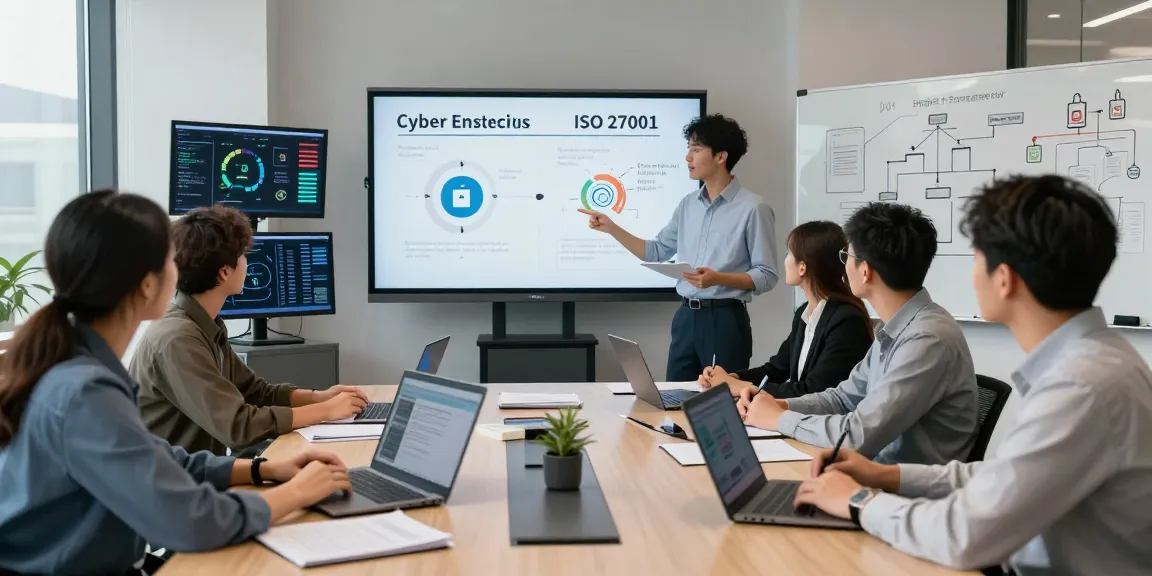
Understanding Cyber Essentials and ISO 27001
In today's evolving cybersecurity landscape, organizations must prioritize their security posture to safeguard sensitive information from increasing threats. Among the various frameworks available, Cyber Essentials and ISO 27001 stand out as essential certifications. While both aim to enhance organizational security, they cater to different needs and levels of complexity. Understanding the distinctions between these two certification paths is crucial for businesses seeking to optimize their security measures and comply with regulatory requirements. When exploring options, cyber essentials vs iso 27001 provides comprehensive insights into their respective benefits and specifications.
What is Cyber Essentials?
Cyber Essentials is a UK government-backed scheme designed to help organizations protect themselves against common cyber threats. It focuses on implementing basic cybersecurity measures through five key technical controls, which ensure a solid foundation for cybersecurity practices. The certification process is relatively straightforward, making it an accessible entry point for many SMEs in the UK. The five controls include:
- Secure Configuration: Ensuring devices are set up securely to minimize vulnerabilities.
- User Access Control: Managing and controlling access to systems based on user roles.
- Malware Protection: Implementing anti-malware solutions to defend against malicious software.
- Security Update Management: Regularly updating software and systems to address vulnerabilities.
- Firewalls: Utilizing firewalls to protect the network from unauthorized access.
Cyber Essentials is ideal for organizations looking to establish a minimum level of cybersecurity assurance required for many government contracts and procurements.
What is ISO 27001?
ISO 27001 is an international standard for information security management systems (ISMS), providing a comprehensive framework for managing sensitive company information securely. Unlike Cyber Essentials, which focuses strictly on technical controls, ISO 27001 covers a broader range of practices, including risk management, compliance with legal requirements, and continuous improvement of security policies. The key components of ISO 27001 include:
- Context Establishment: Understanding the organizational environment and needs.
- Risk Assessment and Treatment: Identifying, evaluating, and managing risks related to information security.
- Leadership and Commitment: Involving top management to demonstrate the importance of information security.
- Continuous Improvement: Regularly reviewing and enhancing security measures based on ongoing risk assessments.
ISO 27001 certification is recognized globally and is essential for organizations that aim to achieve a higher level of trust and credibility in managing sensitive information.
Key Differences Between Cyber Essentials and ISO 27001
While both Cyber Essentials and ISO 27001 aim to strengthen cybersecurity measures, their focus and implementation strategies differ significantly:
- Scope: Cyber Essentials is less comprehensive and focuses on basic cybersecurity practices, while ISO 27001 provides a holistic approach to information security management.
- Implementation: Cyber Essentials requires a self-assessment to gain certification, whereas ISO 27001 requires a formal audit by an accredited body.
- Continuous Compliance: Cyber Essentials emphasizes maintaining technical controls, while ISO 27001 promotes ongoing risk assessment and improvement.
- International Recognition: ISO 27001 is recognized worldwide, making it ideal for multinational organizations, while Cyber Essentials is primarily UK-focused.
Benefits of Cyber Essentials Certification
Improved Cybersecurity Posture
By implementing the five technical controls, organizations can significantly enhance their cybersecurity posture, reducing the risk of cyber-attacks. This foundational level of protection is crucial for safeguarding sensitive data and ensuring business continuity.
Compliance with UK Government Standards
Cyber Essentials is rooted in UK government standards, making it particularly beneficial for organizations working with public sector contracts. Achieving certification demonstrates compliance with these standards, enhancing an organization's reputation and trustworthiness.
Eligibility for Government Contracts
Many UK government contracts require Cyber Essentials certification as a prerequisite for bidding. This requirement ensures that companies have adequate cybersecurity safeguards in place, making it essential for organizations aiming to work with government entities.
Benefits of ISO 27001 Certification
Comprehensive Information Security Management
ISO 27001 provides a framework for managing information security across an organization, addressing not just technical controls but also procedural and managerial aspects. This comprehensive approach helps organizations effectively mitigate all types of risks related to their information assets.
International Recognition and Credibility
ISO 27001 is recognized globally, which boosts an organization’s credibility in the international market. Certification demonstrates a commitment to high standards of data protection and information management, thus attracting clients and partners across borders.
Continuous Improvement in Security Practices
ISO 27001 promotes a culture of ongoing improvement, where organizations regularly assess their risk management strategies and adapt to emerging threats. This proactive approach not only enhances security but also aligns with evolving regulatory requirements.
Comparative Analysis of Requirements
Technical Controls in Cyber Essentials
The five technical controls of Cyber Essentials provide a robust starting point for organizations looking to establish basic cybersecurity practices. By ensuring secure configurations, proper user access controls, effective malware protection, regular security updates, and robust firewall management, organizations can significantly reduce their vulnerability to cyber threats.
Governance and Risk Management in ISO 27001
ISO 27001 emphasizes governance and risk management, creating a structured approach to handling information security. The framework requires organizations to define their information security policy, assign roles and responsibilities, and regularly review and update risk assessments to adapt to changing business conditions.
Implementation Challenges for Organizations
While Cyber Essentials offers a simpler path to certification, organizations may struggle with the ongoing maintenance of required controls. Conversely, ISO 27001, while more detailed, can present challenges in resource allocation, employee training, and the need for periodic audits to maintain compliance.
Future Trends in Cybersecurity Certification
Emerging Standards and Frameworks for 2026
As the cybersecurity landscape evolves, new standards and frameworks are likely to emerge, focusing on cloud security, AI integration, and enhanced data protection measures. Organizations should stay abreast of such developments to ensure compliance and remain competitive.
Integration of Cyber Essentials and ISO 27001
Many organizations are choosing to adopt both Cyber Essentials and ISO 27001, leveraging the strengths of each framework. This integrated approach not only establishes a strong technical foundation but also supports comprehensive risk management practices, allowing for better resilience against cyber threats.
Future Compliance Requirements for Businesses
Regulatory compliance is becoming increasingly stringent around the globe. Organizations should prepare for enhanced requirements, focusing on data protection, user privacy, and incident response to align with future legislative changes.
Do I need Cyber Essentials if I have ISO 27001?
Having ISO 27001 certification does not exempt organizations from needing Cyber Essentials, particularly if they engage in UK government contracts. Both certifications complement each other, with ISO 27001 covering all Cyber Essentials controls while providing a broader framework for information security management.
What is the ISO equivalent of Cyber Essentials?
While Cyber Essentials serves as a foundational certification in the UK, its equivalent at a more global level is ISO 27001. Both aim to improve organizations' cybersecurity measures, but ISO 27001 offers a more comprehensive approach to managing information security risks.
What are the 5 Cyber Essentials?
The five Cyber Essentials controls are:
- Secure Configuration
- User Access Control
- Malware Protection
- Security Update Management
- Firewalls
These controls form the backbone of an organization's cybersecurity efforts and are essential for achieving certification.
Is Cyber Essentials a good certification?
Yes, Cyber Essentials is a valuable certification for organizations, particularly those operating in sectors that require a basic level of cybersecurity assurance. It not only validates a commitment to cybersecurity but also provides access to government contracts and enhances overall security posture.