
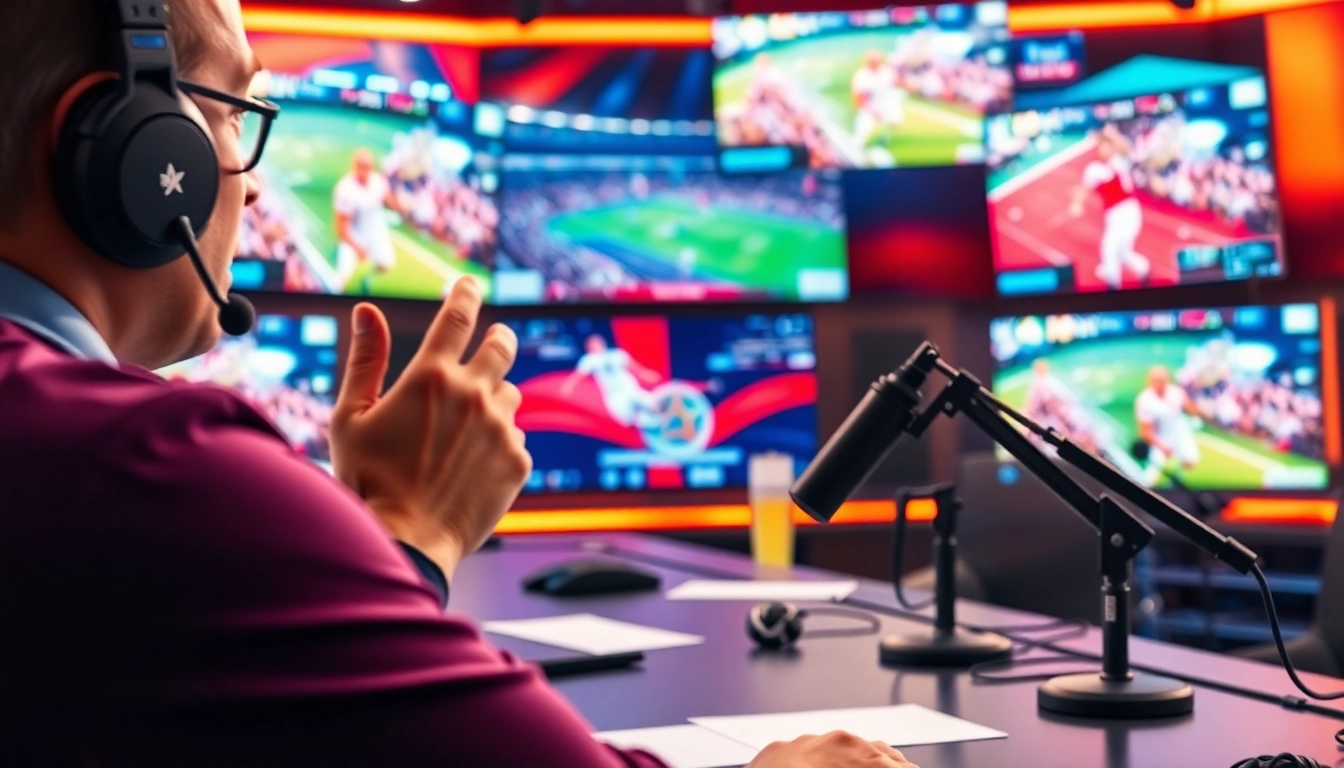
Understanding Sports Broadcasting
Sports broadcasting is a dynamic field that has transformed the way fans interact with their favorite sports. The evolution of this medium has been marked by technological advancements, changing viewer preferences, and the continuous quest for innovation. The impact of Sports Broadcasting reaches beyond mere game transmissions; it encompasses a plethora of experiences that enhance fan engagement and shape the overall sports ecosystem.
History and Evolution of Sports Broadcasting
The origins of sports broadcasting can be traced back to the early 20th century with the rise of radio. The first live sports events were aired through radio waves, providing fans with real-time updates and play-by-play commentary from the comfort of their own homes. As television became more mainstream in the 1950s, sports broadcasts took on a new form, allowing viewers not just to hear but to see their favorite teams and athletes in action. This revolutionized the viewing experience, bringing sports directly into living rooms across the globe.
In the latter part of the 20th century and moving into the 21st century, the advent of cable television and satellite broadcasting introduced specialized sports channels. Networks such as ESPN paved the way for 24-hour sports coverage, including live events, highlights, and analysis shows. The digital revolution further transformed the landscape, making way for extensive online streaming, mobile applications, and social media integration, enabling fans to access sports content on multiple devices at any time.
Key Players in the Sports Broadcasting Industry
The sports broadcasting industry is composed of various stakeholders, including traditional television networks, cable companies, and digital platforms. Key players encompass global giants that own broadcasting rights to major leagues and tournaments, as well as local affiliates that focus on regional sports coverage. Broadcasters often partner with leagues to deliver exclusive content, drive audience engagement, and enhance the viewing experience. Additionally, digital streaming services have rapidly emerged as formidable competitors, reshaping viewer habits and expectations.
The Importance of Sports Broadcasting
Enhancing Fan Experience through Broadcasting
One of the core roles of sports broadcasting is to enrich the fan experience. Live broadcasts provide fans with access to games they might not be able to attend in person. Enhanced production quality, commentary, and technology like instant replays and multiple camera angles allow for a deeper appreciation of the athletic skill and strategy at play. The experience is further amplified through pre-game shows, expert analysis, and post-game discussions that provide context and depth to the action on the field.
Sports Broadcasting and Community Building
Beyond entertainment, sports broadcasting contributes to community building. Local sports coverage fosters a sense of belonging and pride among fans. Through highlighting regional teams, broadcasters strengthen local identities and inspire loyalty. This sense of community is often seen during playoff seasons, where games bring together fans from diverse backgrounds to share the excitement and unite in support of their teams. Such communal experiences fuel local economies and bolster the identity of sports franchises.
Economic Impact of Sports Broadcasting
The economic influence of sports broadcasting is profound. Major leagues and franchises generate significant revenues through broadcasting deals, which in turn support player salaries, team operations, and infrastructure. Additionally, local businesses benefit from increased viewership and fan engagement, particularly during significant sporting events. Advertising and sponsorships tied to sports broadcasting also create numerous opportunities within the advertising industry, paving the way for job creation and economic development.
Challenges in Sports Broadcasting
Regulatory Issues Affecting Sports Broadcasting
The sports broadcasting landscape is often impacted by regulatory challenges, including licensing agreements, content rights issues, and broadcast regulations that vary by region. Navigating these complexities can be daunting for broadcasters. For instance, adapting to changes in ownership structures or new legislation can affect the availability of specific events for broadcast. Understanding and complying with regulations is critical for broadcasters to maintain their operational viability.
Adapting to Technological Advances
Staying attuned to technological advancements is vital for the future of sports broadcasting. Enhanced technologies such as augmented reality (AR) and virtual reality (VR) are beginning to find a place in sports broadcasting, providing immersive experiences for viewers. Broadcasters must continuously innovate and invest in these technologies to remain relevant in a competitive landscape. Failure to adapt could lead to a decline in viewer engagement, especially among tech-savvy younger audiences.
Competition in the Sports Broadcasting Market
Competition within the sports broadcasting market has intensified significantly. With the rise of streaming platforms and on-demand viewing, traditional broadcasters face challenges in retaining audience share. The entry of tech companies into the sports realm further complicates this competition. Establishing unique selling propositions, such as exclusive content, innovative formats, and interactive features, has become essential for broadcasters to differentiate themselves in this crowded marketplace.
Best Practices for Effective Sports Broadcasting
Improving Audience Engagement
For sports broadcasters, audience engagement is paramount. Using interactive elements, such as live polls, real-time statistics, and fan involvement during broadcasts can significantly enhance viewer participation. Understanding the demographics of the audience and tailoring content accordingly can also drive engagement. Implementing gamification strategies, where viewers can predict outcomes or participate in fantasy leagues, helps create a more immersive viewing experience.
Integrating Social Media into Sports Broadcasting
Integrating social media into sports broadcasting is a powerful strategy for enhancing fan connection. Broadcasters can leverage platforms like Twitter, Instagram, and Facebook to share highlights, engage with fans, and create buzz around events. This interaction extends the conversation beyond the broadcast itself, making fans feel like an integral part of the experience. Additionally, utilizing social media for real-time engagement during events can drive viewership and foster community.
Measuring Success in Sports Broadcasting
To maintain effectiveness, broadcasters must implement robust metrics for measuring success. This includes analyzing viewership data, audience demographics, engagement levels, and social media interaction. Establishing clear KPIs aligned with organizational goals enables broadcasters to assess performance comprehensively. Regularly evaluating these metrics can inform strategic decisions, allowing organizations to adapt and thrive in an ever-evolving landscape.
Future of Sports Broadcasting
Emerging Trends in Sports Broadcasting
As technological advancements continue to evolve, several emerging trends are expected to shape the future of sports broadcasting. An increase in personalization features, where viewers can customize their viewing experience, is on the rise. Furthermore, the integration of machine learning and big data will enable broadcasters to offer smarter content delivery, soon transforming how fans interact with sports broadcasts.
The Role of Streaming Services
Streaming services are becoming increasingly significant in the sports broadcasting sector, often providing more flexible viewing options than traditional broadcasters. These platforms can cater to niche markets by offering specialized content, enabling fans to access diverse sports that may have previously been overlooked. The challenge, however, lies in securing broadcasting rights for major events, which often remain with traditional networks.
Predictions for the Future Landscape of Sports Broadcasting
The landscape of sports broadcasting is poised for continued evolution. Integration of AI technologies for enhanced viewer experience, the rise of 5G for better streaming quality, and a shift towards viewer-led content will redefine how sports are consumed. As broadcasters experiment with innovative formats and engage directly with audiences, the focus will remain on enhancing fan experiences and facilitating community connections, which will ultimately shape the future of the industry.
Frequently Asked Questions
What is sports broadcasting?
Sports broadcasting involves the distribution of live sports events, commentary, and related programming through television, radio, and online platforms, enhancing viewer engagement and access to sports.
How has technology changed sports broadcasting?
Technology has transformed sports broadcasting through advancements such as high-definition video, streaming services, and interactive features, enriching the viewing experience for fans globally.
What are the main challenges in sports broadcasting?
The main challenges include regulatory compliance, adapting to technological advancements, and competition from streaming services, which require broadcasters to innovate constantly.
How do broadcasters measure success?
Success is measured through key performance indicators such as viewership numbers, audience engagement rates, social media interactions, and overall revenue generated from broadcasting.
What does the future hold for sports broadcasting?
The future will likely focus on personalization, AI integration, and the rise of streaming services, leading to a more tailored and interactive viewer experience overall.